Lernziele, Schemata und Vorwissen
Warum dieselbe Aufgabe nicht für alle dieselbe Aufgabe ist
28 August, 2026
Gleiche Hardware, unterschiedliche Software
Warum können manche Menschen komplexe Probleme mühelos lösen, obwohl das Arbeitsgedächtnis bei allen begrenzt ist?
| Dimension | Anfängerinnen und Anfänger | Expertinnen und Experten |
|---|---|---|
| Sehen | einzelne Teile | bedeutungsvolle Muster |
| Verarbeiten | Schritt für Schritt | automatisierte Prozeduren |
| Wissen | isolierte Fakten | vernetzte Schemata |
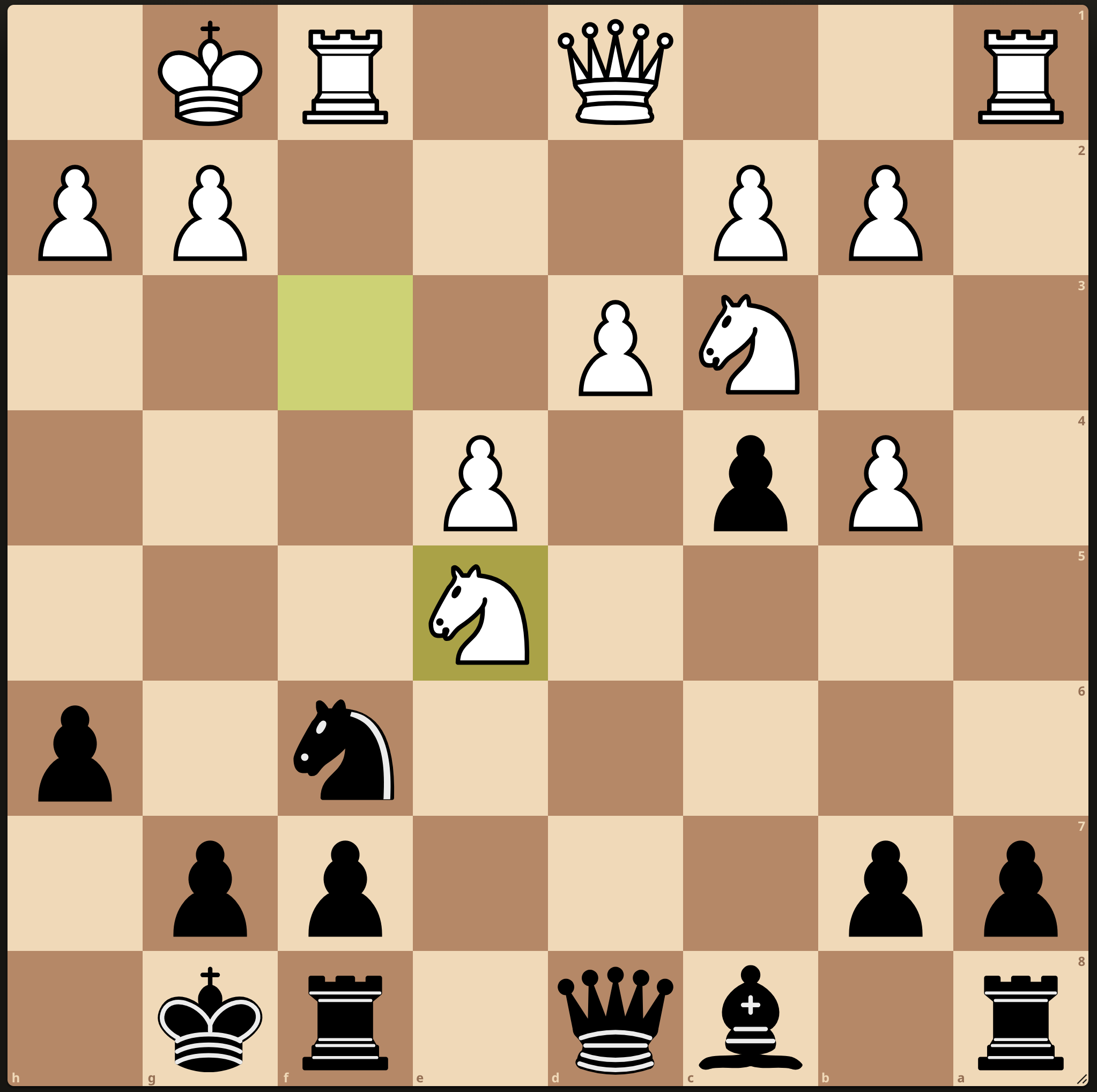
Expertise beruht auf organisiertem Wissen im Langzeitgedächtnis, nicht auf einem grösseren Arbeitsgedächtnis (Sweller 2023).
Schemata organisieren Wissen
Show code
novice_expert_schemas = {
  const w = schemas_width;
  const h = schemas_height;
  const fs = schemas_font_size;

  // Colors (Okabe-Ito)
  const colNeg = "#D55E00";   // negative/novice
  const colPos = "#0072B2";   // positive/expert
  const colNeutral = "#64748b";
  const colCross = "#B8821A"; // gold for cross-links

  // Node data: same 9 knowledge elements
  const labels = [
    "Fakt A", "Fakt B", "Fakt C",
    "Regel 1", "Regel 2", "Regel 3",
    "Def. X", "Def. Y", "Def. Z"
  ];
  const clusters = [0, 0, 0, 1, 1, 1, 2, 2, 2];

  // Novice positions: scattered across the canvas
  const novicePos = [
    [0.12, 0.22], [0.38, 0.12], [0.65, 0.20],
    [0.18, 0.50], [0.45, 0.48], [0.72, 0.55],
    [0.08, 0.80], [0.42, 0.82], [0.70, 0.78]
  ];

  // Expert positions: organized in 3 clusters
  const expertPos = [
    [0.15, 0.22], [0.30, 0.22], [0.225, 0.40],  // cluster 0 (top-left)
    [0.60, 0.22], [0.75, 0.22], [0.675, 0.40],  // cluster 1 (top-right)
    [0.33, 0.72], [0.48, 0.72], [0.405, 0.88]   // cluster 2 (bottom-center)
  ];

  // Intra-cluster edges (indices)
  const intraEdges = [
    [0, 1], [1, 2], [0, 2],
    [3, 4], [4, 5], [3, 5],
    [6, 7], [7, 8], [6, 8]
  ];

  // Cross-cluster edges
  const crossEdges = [
    [1, 3], [2, 6], [5, 7]
  ];

  // Cluster background rects (in normalized coords)
  const clusterBoxes = [
    { x: 0.08, y: 0.12, w: 0.30, h: 0.38, label: "Schema 1" },
    { x: 0.53, y: 0.12, w: 0.30, h: 0.38, label: "Schema 2" },
    { x: 0.26, y: 0.62, w: 0.30, h: 0.36, label: "Schema 3" }
  ];

  // Margins
  const mx = 40, my = 30;
  const cw = w - 2 * mx;
  const ch = h - 2 * my;

  const toX = (nx) => mx + nx * cw;
  const toY = (ny) => my + ny * ch;

  // SVG
  const svg = d3.create("svg")
    .attr("width", w)
    .attr("height", h)
    .attr("viewBox", `0 0 ${w} ${h}`)
    .style("background", "transparent")
    .style("cursor", "pointer")
    .style("user-select", "none");

  // Cluster backgrounds (hidden initially)
  const clusterGs = svg.selectAll("g.cluster-bg")
    .data(clusterBoxes)
    .join("g")
    .attr("class", "cluster-bg");

  clusterGs.append("rect")
    .attr("x", d => toX(d.x))
    .attr("y", d => toY(d.y))
    .attr("width", d => d.w * cw)
    .attr("height", d => d.h * ch)
    .attr("rx", 4)
    .attr("fill", colPos)
    .attr("fill-opacity", 0)
    .attr("stroke", colPos)
    .attr("stroke-opacity", 0)
    .attr("stroke-width", 1.5)
    .attr("stroke-dasharray", "6,4");

  clusterGs.append("text")
    .attr("x", d => toX(d.x + d.w / 2))
    .attr("y", d => toY(d.y) - 6)
    .attr("text-anchor", "middle")
    .style("font-size", "12px")
    .style("fill", colPos)
    .style("font-style", "italic")
    .style("opacity", 0)
    .text(d => d.label);

  // Intra-cluster edges
  const intraLines = svg.selectAll("line.intra")
    .data(intraEdges)
    .join("line")
    .attr("class", "intra")
    .attr("x1", d => toX(novicePos[d[0]][0]))
    .attr("y1", d => toY(novicePos[d[0]][1]))
    .attr("x2", d => toX(novicePos[d[1]][0]))
    .attr("y2", d => toY(novicePos[d[1]][1]))
    .attr("stroke", colPos)
    .attr("stroke-width", 2)
    .attr("stroke-opacity", 0);

  // Cross-cluster edges
  const crossLines = svg.selectAll("line.cross")
    .data(crossEdges)
    .join("line")
    .attr("class", "cross")
    .attr("x1", d => toX(novicePos[d[0]][0]))
    .attr("y1", d => toY(novicePos[d[0]][1]))
    .attr("x2", d => toX(novicePos[d[1]][0]))
    .attr("y2", d => toY(novicePos[d[1]][1]))
    .attr("stroke", colCross)
    .attr("stroke-width", 1.5)
    .attr("stroke-opacity", 0)
    .attr("stroke-dasharray", "4,3");

  // Nodes
  const nodeR = 28;
  const nodeGs = svg.selectAll("g.node")
    .data(labels.map((l, i) => ({ label: l, i })))
    .join("g")
    .attr("class", "node")
    .attr("transform", d => `translate(${toX(novicePos[d.i][0])},${toY(novicePos[d.i][1])})`);

  nodeGs.append("rect")
    .attr("x", -nodeR)
    .attr("y", -14)
    .attr("width", nodeR * 2)
    .attr("height", 28)
    .attr("rx", 4)
    .attr("fill", colNeg)
    .attr("fill-opacity", 0.8);

  nodeGs.append("text")
    .attr("text-anchor", "middle")
    .attr("dy", "0.35em")
    .style("font-size", "12px")
    .style("font-weight", "bold")
    .style("fill", "white")
    .text(d => d.label);

  // Subtitle
  const subtitle = svg.append("text")
    .attr("x", w / 2).attr("y", h - 8)
    .attr("text-anchor", "middle")
    .style("font-size", fs)
    .style("fill", colNeutral)
    .text("Isolierte Fakten \u2014 klicken zum Vernetzen");

  // Interaction state
  let expert = false;

  svg.on("click", () => {
    expert = !expert;
    const dur = 1000;
    const ease = d3.easeCubicInOut;

    // Move nodes
    nodeGs.transition().duration(dur).ease(ease)
      .attr("transform", d => {
        const pos = expert ? expertPos[d.i] : novicePos[d.i];
        return `translate(${toX(pos[0])},${toY(pos[1])})`;
      });

    // Change node color
    nodeGs.select("rect").transition().duration(dur).ease(ease)
      .attr("fill", expert ? colPos : colNeg);

    // Move and show/hide intra-edges
    intraLines.transition().duration(dur).ease(ease)
      .attr("x1", d => toX((expert ? expertPos : novicePos)[d[0]][0]))
      .attr("y1", d => toY((expert ? expertPos : novicePos)[d[0]][1]))
      .attr("x2", d => toX((expert ? expertPos : novicePos)[d[1]][0]))
      .attr("y2", d => toY((expert ? expertPos : novicePos)[d[1]][1]))
      .attr("stroke-opacity", expert ? 0.6 : 0);

    // Cross-edges
    crossLines.transition().duration(dur).ease(ease)
      .attr("x1", d => toX((expert ? expertPos : novicePos)[d[0]][0]))
      .attr("y1", d => toY((expert ? expertPos : novicePos)[d[0]][1]))
      .attr("x2", d => toX((expert ? expertPos : novicePos)[d[1]][0]))
      .attr("y2", d => toY((expert ? expertPos : novicePos)[d[1]][1]))
      .attr("stroke-opacity", expert ? 0.4 : 0);

    // Cluster backgrounds
    clusterGs.select("rect").transition().duration(dur).ease(ease)
      .attr("fill-opacity", expert ? 0.06 : 0)
      .attr("stroke-opacity", expert ? 0.5 : 0);

    clusterGs.select("text").transition().duration(dur).ease(ease)
      .style("opacity", expert ? 1 : 0);

    // Subtitle
    subtitle.transition().duration(300).style("opacity", 0)
      .transition().delay(expert ? 600 : 0).duration(300).style("opacity", 1)
      .text(expert
        ? "Vernetzte Schemata \u2014 klicken zum Aufl\u00f6sen"
        : "Isolierte Fakten \u2014 klicken zum Vernetzen");
  });

  return svg.node();
}Was organisierte Schemata ermöglichen
| Anfängerinnen und Anfänger | Expertinnen und Experten | |
|---|---|---|
| Physik | „Aufgabe mit Rampe“ | „Energieerhaltung“ |
| Statistik | „Zwei Gruppen, also t-Test“ | Wahl des Modells anhand der Datenstruktur |
| Transfer | Orientierung an Oberflächenmerkmalen | Erkennen der Tiefenstruktur |
Das Lernziel bestimmt, welche Schemata und welche selbstständige Leistung aufgebaut werden sollen.
Jetzt bist du gefragt
Bearbeite Abschnitt 3: Vorwissen im Analysebogen.
Alle Informationen findest du dort.
Wenn das Arbeitsgedächtnis so begrenzt ist, wie können wir als Lehrende damit umgehen?
Cognitive Load Theory
| Intrinsische Last | Extrinsische Last | |
|---|---|---|
| Quelle | Elementinteraktivität relativ zum Vorwissen | vermeidbare Anforderungen der Darstellung oder Aufgabe |
| Steuerbarkeit | durch Sequenzierung und Vorwissensaufbau | durch Gestaltung reduzieren |
| Beispiel | statistische Interaktion verstehen | getrennte und schlecht auffindbare Informationen |
Freie Kapazität ermöglicht lernrelevante Verarbeitung: Elemente auswählen, abrufen und zu Schemata verknüpfen (Sweller 2023).
Lernrelevante Anstrengung ermöglichen
Mehr Vorwissen und weniger unnötige Belastung bedeuten mehr Platz für lernrelevante Verarbeitung.
Show code
viewof vorwissen_controls = {
  const labels = ["wenig", "mittel", "viel"];
  const div = html`<div style="display:flex;align-items:center;font-size:22px;">
    <span style="width:300px;text-align:right;">Vorwissen:</span>
    <strong style="width:80px;text-align:center;margin:0 16px;">mittel</strong>
    <input type="range" min="1" max="3" step="1" value="2" style="width:340px;accent-color:#64748b;">
  </div>`;

  const slider = div.querySelector("input[type=range]");
  const label = div.querySelector("strong");

  function emit() {
    div.value = +slider.value;
    div.dispatchEvent(new Event("input", { bubbles: true }));
  }

  slider.oninput = () => {
    label.textContent = labels[+slider.value - 1];
    emit();
  };

  div.value = 2;
  return div;
}
Show code
viewof cl_controls = {
  const div = html`<div style="display:flex;align-items:center;font-size:22px;">
    <span style="width:300px;text-align:right;">Extrinsische Belastung:</span>
    <strong style="width:80px;text-align:center;margin:0 16px;">60%</strong>
    <input type="range" min="5" max="70" step="5" value="60" style="width:340px;accent-color:#D55E00;">
  </div>`;

  const slider = div.querySelector("input[type=range]");
  const label = div.querySelector("strong");

  function emit() {
    div.value = +slider.value;
    div.dispatchEvent(new Event("input", { bubbles: true }));
  }

  slider.oninput = () => {
    label.textContent = slider.value + "%";
    emit();
  };

  div.value = 60;
  return div;
}
Show code
constrain_ext = {
  const intr = 70 - vorwissen_controls * 20;
  const newMax = 100 - intr;
  const sliderDiv = viewof cl_controls;
  const slider = sliderDiv.querySelector("input[type=range]");
  const label = sliderDiv.querySelector("strong");
  slider.max = newMax;
  if (+slider.value > newMax) {
    slider.value = newMax;
    label.textContent = newMax + "%";
    sliderDiv.value = newMax;
    sliderDiv.dispatchEvent(new Event("input", { bubbles: true }));
  }
  return newMax;
}
Show code
cognitive_load_chart = {
  const w = 950;
  const h = 380;

  const intrinsic = 70 - vorwissen_controls * 20;
  const ext = Math.min(cl_controls, 100 - intrinsic);
  const learning = Math.max(0, 100 - ext - intrinsic);

  const colors = {
    "Extrinsische Belastung": "#D55E00",
    "Intrinsische Belastung": "#64748b",
    "Lernrelevante Verarbeitung": "#0072B2",
  };

  const data = [
    {type: "Extrinsische Belastung", value: ext, order: 3},
    {type: "Lernrelevante Verarbeitung", value: learning, order: 2},
    {type: "Intrinsische Belastung", value: intrinsic, order: 1},
  ].filter(d => d.value > 0);

  const marks = [
    Plot.barY(data, Plot.stackY({
      x: d => "",
      y: "value",
      fill: "type",
      order: "order",
      tip: true,
      title: d => `${d.type}: ${d.value}%`
    })),
    Plot.ruleY([100], {stroke: "#1A1714", strokeDasharray: "6,4", strokeWidth: 1.5}),
  ];

  if (learning > 8) {
    marks.push(
      Plot.text([{y: intrinsic + learning / 2}],
        {x: d => "", y: "y", text: [`${learning}%`], fill: "white", fontWeight: "bold", fontSize: 22})
    );
  }

  return Plot.plot({
    width: w,
    height: h,
    marginLeft: 80,
    marginBottom: 40,
    marginTop: 40,
    style: {fontSize: "24px", background: "transparent"},
    x: { label: null, padding: 0.7 },
    y: {
      label: "Arbeitsgedächtniskapazität",
      domain: [0, 105],
      ticks: [0, 25, 50, 75, 100],
      tickFormat: d => d + "%"
    },
    color: {
      domain: ["Lernrelevante Verarbeitung", "Intrinsische Belastung", "Extrinsische Belastung"],
      range: [colors["Lernrelevante Verarbeitung"], colors["Intrinsische Belastung"], colors["Extrinsische Belastung"]],
      legend: true
    },
    marks
  });
}
Modifiziert nach KI in der Lehre: Impuls
Jetzt bist du gefragt
Bearbeite Abschnitte 4: Lernrelevante kognitive Aktivitäten und 5: Kognitive Anforderungen und mögliche Schwierigkeiten im Analysebogen.
Alle Informationen findest du dort.
Bibliographie
Sweller, John. 2023. „The Development of Cognitive Load Theory: Replication Crises and Incorporation of Other Theories Can Lead to Theory Expansion“. Educational Psychology Review 35 (4): 95. https://doi.org/10.1007/s10648-023-09817-2.